

HOW LIGHTING CHANGES THE TONE OF A ROOM
Let's delve into the significant role that lighting plays in interior design. Just like other aspects of creating a captivating indoor space, effective lighting serves both practical and aesthetic purposes. Consequently, the right choice of lighting has the power to completely transform a room's ambiance. An abundantly lit room might exude an industrial feel, while a softly lit space can evoke intimacy and comfort. A room bathed in natural light tends to appear spacious and airy, whereas multiple light sources can infuse dynamism into a room. Given the considerable impact of lighting decisions, how can one confidently select the appropriate lamp for a specific space?
To commence, categorizing your room's decor is a prudent step. Does it align more with traditional or contemporary aesthetics? Is it meticulously coordinated or creatively eclectic? Establishing your decorating style provides a valuable initial direction. Once you've envisioned the desired look for your furniture, lamps, and other light fixtures, you can proceed to the shopping phase.
FLOOR & TABLE LAMPS Although a floor lamp might not claim the spotlight as the central feature of a room, it has the potential to make or break the overall design scheme. Balancing form (appearance) and function (illumination) is key. Remember this handy tip: the darker the lampshade, the more subdued the illumination. A translucent white or cream shade will diffuse light more effectively than a deep blue or black shade. Before indulging in an attention-grabbing shade, contemplate the primary purpose of the lamp. Is it intended for creating ambiance, aiding in reading, or primarily for decorative purposes? For purely aesthetic lighting, opt for an opaque fabric shade that blankets the space with a ceiling-to-floor glow. For reading or other tasks that require substantial illumination, choose a lamp with a translucent or uncovered design, diffusing light in all directions. As for the lamp base, transparent, delicate bases have a subtler visual presence, harmonizing with their surroundings, whereas wooden or iron bases introduce texture and opulence.
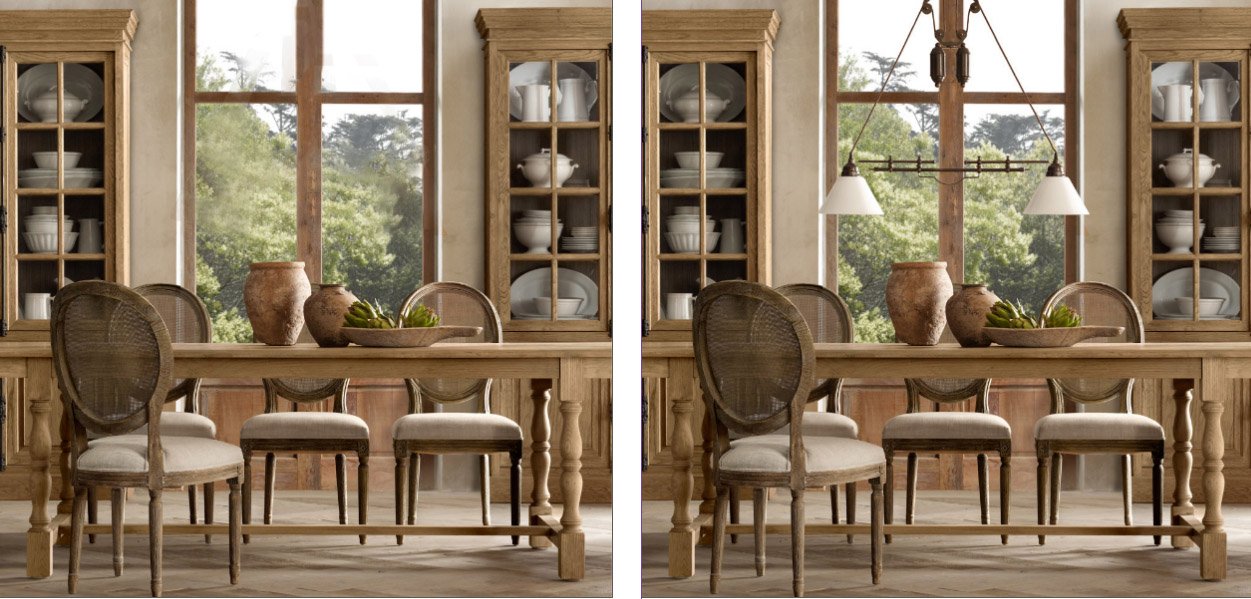
CHANDELIERS & HANGING LAMPS Ceiling-suspended statement lighting can significantly define a design scheme. Since replacing them is more cumbersome than altering table or floor lamps, it's crucial to select hanging lights that align with your long-term vision. For most decorators, this leans toward more neutral fixtures. The notable advantage of pendant lighting is their ability to cast indirect, evenly distributed ambient light, infusing comfort and a radiant vibe into the environment. A chandelier or a collection of pendants adds an intriguing visual dimension to the ceiling, drawing attention upwards to encompass the entire room. While hanging light fixtures are commonly associated with dining areas and formal entrances, it's time to extend the role of chandeliers. In bedrooms and even elegant bathrooms, a sophisticated overhead light serves as a comprehensive lighting solution when natural light is limited, presenting an enchanting alternative to basic options.
At Trea Lighting, our diverse collection includes an array of radiant lamps and overhead light fixtures, particularly contemporary models. Explore our online selection or visit our physical store to gain a closer perspective!
Why lamps are crucial for your interiors?
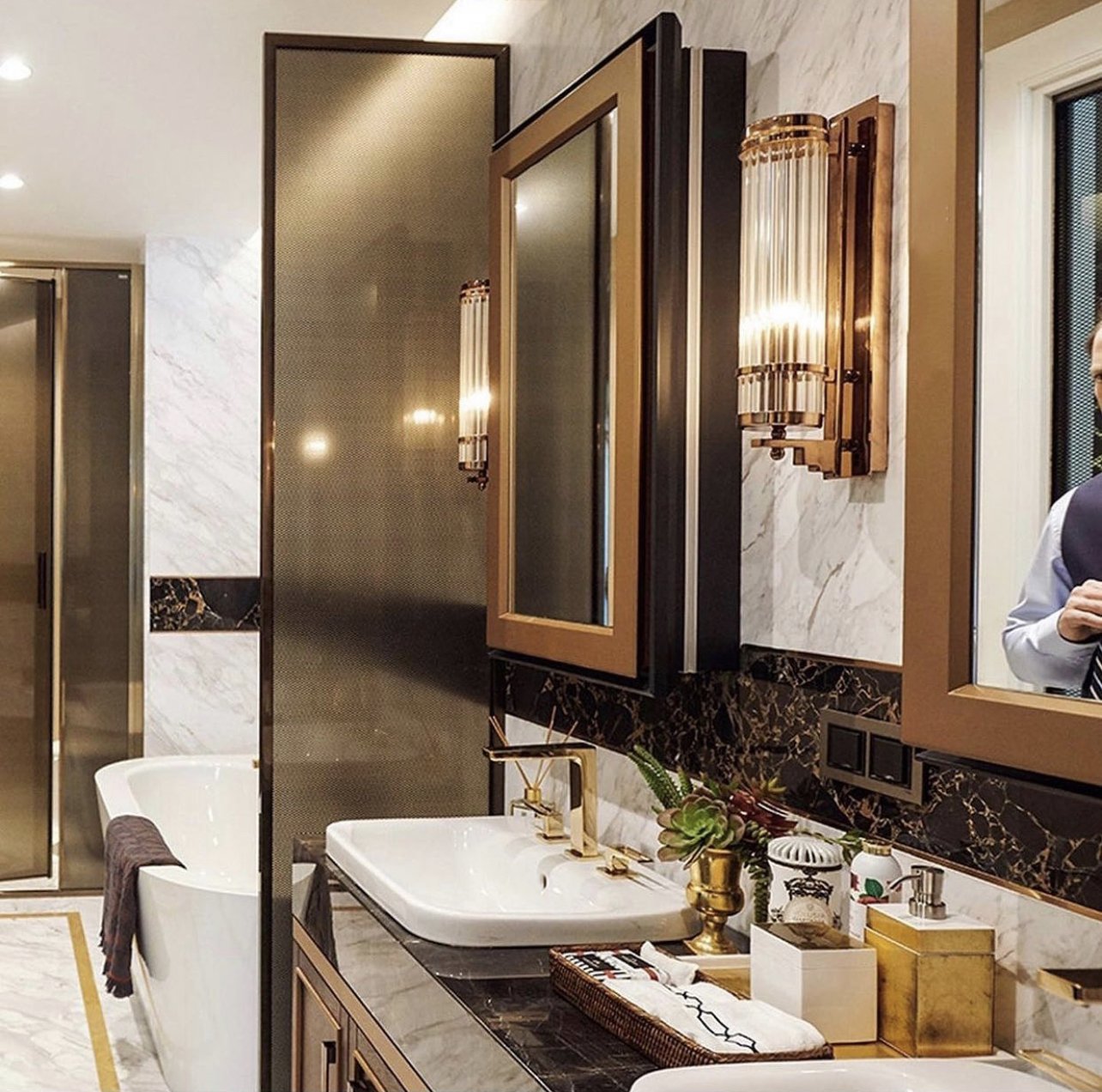
Many people overlook the importance of lighting fixtures, particularly table lamps, in enhancing the ambiance of any interior space. These lamps play a pivotal role in setting the mood and atmosphere, surpassing the impact of other furnishings.
Table lamps are invaluable tools for defining functional zones within a room and elevating the emotional appeal of specific areas. Their high sculptural qualities add architectural finesse to the surroundings. Thoughtfully selecting quality table lamps yields long-lasting joy in your home for years to come.

In our fast-paced lives, filled with constant rush, stress, and worries, there's a growing desire for a serene retreat where we can relax, rejuvenate, and enjoy quality time with loved ones. That's why, at the end of the day, many of us yearn to snuggle up in a cozy chair, beneath the warm glow of a favorite table lamp, with a cup of tea in hand.
Table lamps are versatile tools capable of creating either a calm and inviting atmosphere or adding formality and elegance to a room. With a wide variety of table lamps available, you can select those that best express your artistic taste, allowing for easy self-expression.
The key to successful lighting in modern homes lies in mobility and variety, which can be easily achieved with quality table and floor lamps. However, choosing the right table lamp is a personal endeavor. Begin by identifying the mood you wish to create within your home or a specific room. Consider the scale and purpose of the rooms, especially if they are spacious with high ceilings. For such spaces, significant lighting fixtures may be more suitable. It's important to pay attention not only to the lamp's height but also to the diameter of its shade.

Choosing the Right Lamp Height for Your Room: A Guide to Ceiling Height Considerations
Lighting plays a crucial role in creating a warm and inviting atmosphere in your home. One important factor to consider when selecting lamps is the height of the ceiling in the room where the lamp will be placed. In this blog, we will explore how ceiling height affects lamp height and how to choose the right height for your room.
First, it's important to know the standard height of a ceiling. The average height of a ceiling is 8 feet, but this can vary from room to room, and even within the same room. Some rooms may have higher ceilings, while others may have lower ceilings.
The next step is to determine the correct lamp height for your room. As a general rule, the bottom of the lamp shade should be at eye level or slightly above it. For example, if you have an 8-foot ceiling, the bottom of the lamp shade should be about 60 to 66 inches from the floor. If you have a higher ceiling, you can choose a taller lamp, but be sure to maintain the same eye level height.
When it comes to hanging lamps, you should also take into account the height of the table or surface where the lamp will sit. A table lamp should be about one-third the height of the table. For example, if your table is 24 inches tall, the lamp should be about 8 inches tall.
Another important factor to consider is the room's purpose and design. If the room is a formal living room or dining room, you may want to choose a taller lamp to create a more elegant and sophisticated atmosphere. On the other hand, if the room is a child's bedroom or a casual living room, a shorter lamp may be more appropriate.
Finally, it's important to consider the amount of light you want in the room. If you want a brighter room, you may want to choose a taller lamp. If you prefer a more relaxed and ambient lighting, you can opt for a shorter lamp.
In conclusion, choosing the right lamp height depends on several factors, including the height of the ceiling, the purpose and design of the room, and the amount of light you want in the room. By taking these factors into account, you can create a warm and inviting atmosphere in your home.
How to choose a lamp for your house?
Choosing the right lamp for your home can be a tricky task. Lamps not only serve as a source of light, but they can also add style, ambiance, and character to a room. Here are a few tips to help you choose the perfect lamp for your home.
Determine the Purpose: The first step in choosing a lamp is to determine its purpose. Do you need a lamp for task lighting, such as reading or working at a desk? Or, do you need a lamp for ambient lighting, to create a warm and cozy atmosphere in a room? Knowing the purpose of the lamp will help you choose the right size, style, and type of bulb.
Consider the Style: Lamps come in a variety of styles, from contemporary to traditional. Choose a lamp that complements the overall style of your room and enhances its décor.
Size Matters: Consider the size of the lamp in relation to the room and furniture. A small lamp may look out of place in a large room, while a large lamp may overpower a small space.
Light Output: Pay attention to the type of bulb used in the lamp and the amount of light it provides. LED lights are energy-efficient and provide bright, white light, while incandescent bulbs create a warm and cozy ambiance.
Material and Finish: Choose a lamp made of materials and finished that match the décor of your room. A brass lamp can add a touch of sophistication to a traditional room, while a glass or crystal lamp can add a touch of elegance to a modern space.
Cost: Finally, consider the cost of the lamp. Lamps can range from affordable to high-end, so choose one that fits your budget and meets your needs.
By considering these factors, you can choose the right lamp for your home and create a warm, inviting, and well-lit space. Whether you're looking for a lamp for a specific task or to add ambiance to a room, the right lamp can make all the difference.